Lowland daytime temperatures are commonly around 26–32°C; highland days are cooler, often around 12–22°C.
Loading seasonal guide…


September can offer rewarding wildlife viewing in the Cultural Triangle, including seasonal elephant gatherings around Minneriya. The best park for sightings varies with rainfall and animal movement, so local guidance is especially useful.
A regional guide to Sri Lanka in SeptemberLowland daytime temperatures are commonly around 26–32°C; highland days are cooler, often around 12–22°C.
The southwest monsoon gradually weakens, while inter-monsoon showers can develop. East-coast weather may remain favorable early in the month.
Warm and humid in lowlands, with showers possible; highland conditions are cooler.
East-coast conditions can be suitable early in the month, but seasonal transition makes checking forecasts important.
Conditions are transitional; plan flexible outdoor days and check regional forecasts rather than relying on a fixed seasonal pattern.
Monsoon begins to ease, but rain and rough seas remain possible.
Showers continue as the southwest monsoon transitions.
Often remains a beach option early in the month; conditions can shift later.
Changeable cloud and rain may affect trails and viewpoints.
Useful for heritage and seasonal wildlife trips; hot afternoons remain common.
Conditions can be comparatively dry before the northeast monsoon later in the year.
Temperature ranges are broad lowland and highland guides, not month-specific station averages or forecasts. Conditions vary between years and nearby locations; check the Sri Lanka Department of Meteorology and local safety advice before travel.
Ask local naturalists which nearby park currently has suitable wildlife viewing.
Beach conditions may remain favorable early in September but are not guaranteed.
Pair heritage sites with a guided dry-zone safari.
Build flexible plans as southwest monsoon conditions gradually change.
Consult a local naturalist on current wildlife movement before selecting a safari.
Why now: Dry-zone animal movement changes seasonally and between years.
Visitor note: Follow park rules, keep distance, and accept that sightings are uncertain.
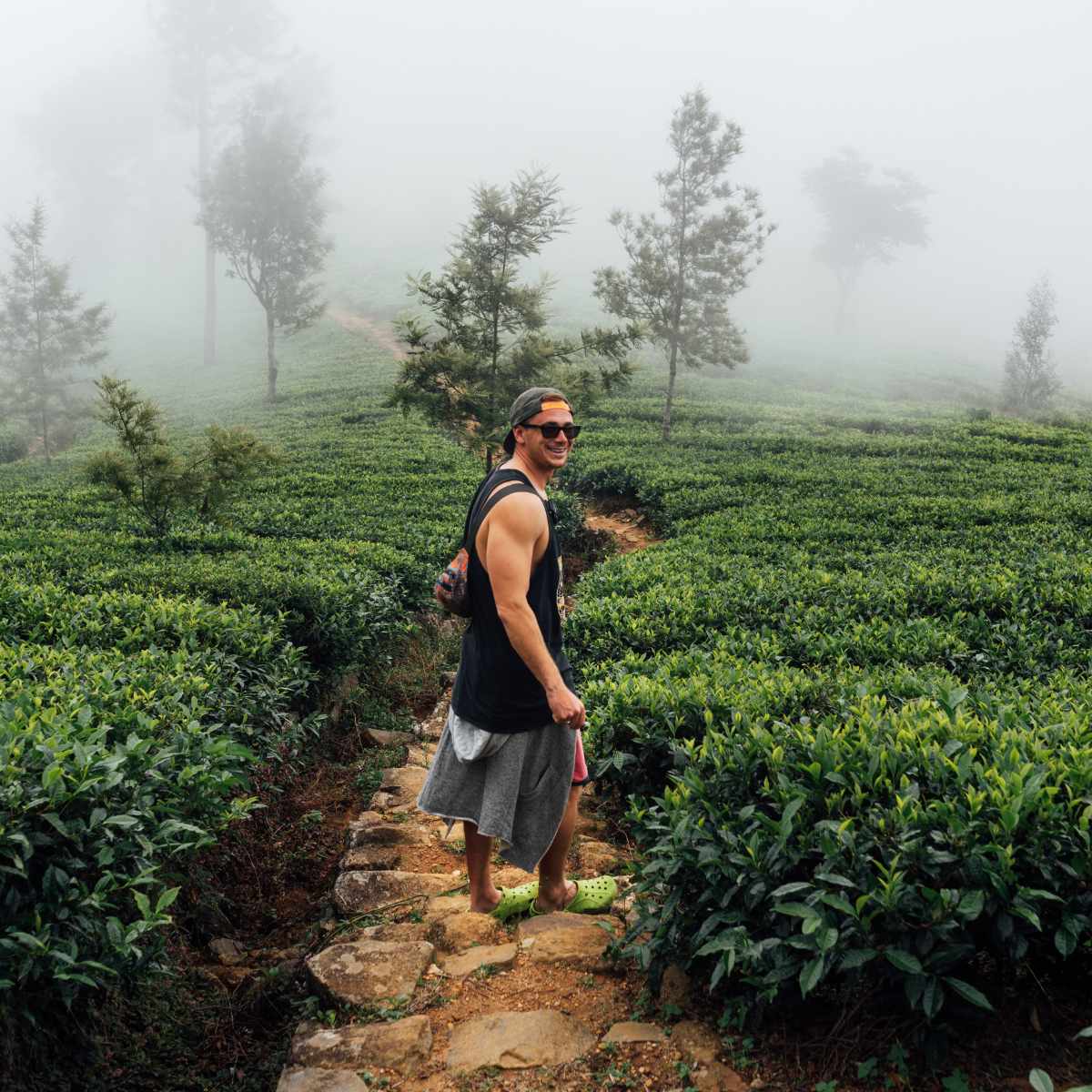
Explore beaches or marine activities if operators confirm suitable conditions.
Why now: The seasonal window may continue early in September, but is transitioning.
Visitor note: Check forecasts and sea safety on the day; do not rely on calendar alone.

Explore archaeological remains with a guide or bicycle route.
Why now: An inland cultural stop pairs naturally with nearby nature experiences.
Visitor note: Start early, carry water, and dress respectfully at sacred monuments.
A base for heritage sites and nearby protected areas.
Ask guides which park is best under current conditions.
Ancient city monuments and archaeological landscapes.
Plan early starts in warm weather.
Beaches, harbor, and cultural landmarks.
The seasonal window may be changing; check conditions before booking marine trips.
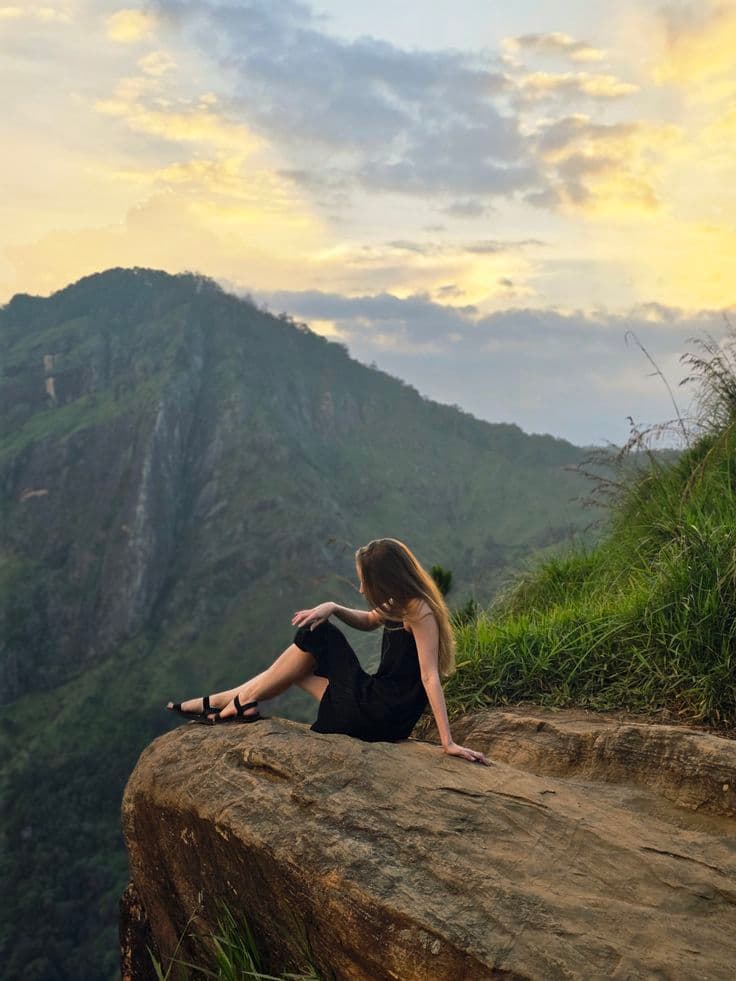
Highland walks, viewpoints, and rail connections.
Check trail access and weather; rain may make paths slippery.
Wildlife is unpredictable. Keep a respectful distance, never feed or touch wild animals, and follow park rules and guidance from qualified local guides.
A monthly Poya observance with religious activities. Visitors should dress modestly and respect temple customs.
Monsoon begins to ease, but rain and rough seas remain possible.
Showers continue as the southwest monsoon transitions.
Often remains a beach option early in the month; conditions can shift later.
Explore: Trincomalee
Changeable cloud and rain may affect trails and viewpoints.
Explore: Ella
Useful for heritage and seasonal wildlife trips; hot afternoons remain common.
Explore: Habarana, Polonnaruwa
Conditions can be comparatively dry before the northeast monsoon later in the year.