Lowland daytime temperatures are commonly around 26–32°C; highland days are cooler, often around 11–21°C.
Loading seasonal guide…

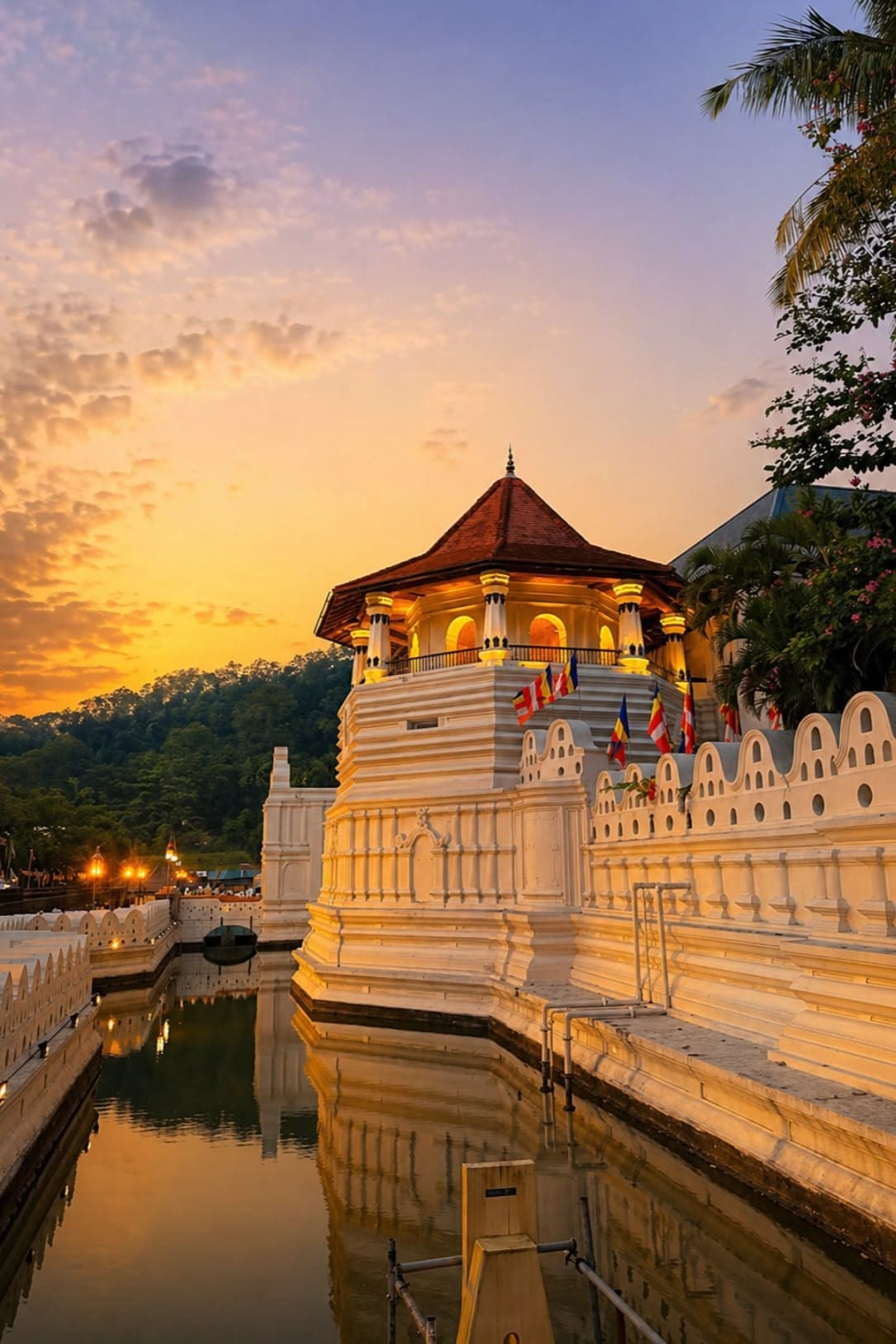
July is a lively time on Sri Lanka’s east coast, with surf around Arugam Bay and beach breaks near Trincomalee. The Kataragama pilgrimage season also brings a major cultural and religious focus to the south-east.
A regional guide to Sri Lanka in JulyLowland daytime temperatures are commonly around 26–32°C; highland days are cooler, often around 11–21°C.
The southwest monsoon continues on south and west coasts and the highlands; the east coast is generally in a drier seasonal window.
Warm and humid along the coast, with rain and cloud more common in the southwest.
East-coast surf and beach activity are seasonal; respect surf ability and daily beach warnings.
East-coast days are often bright, while southwest cloud and rain can interrupt outdoor plans.
Monsoon rain and rough seas may limit swimming; check local beach conditions.
Expect southwest-monsoon showers and unsettled sea conditions.
Arugam Bay and Trincomalee are in a popular seasonal window for surf and beach stays.
Rain and mist can affect trails and rail travel; check updates.
Often comparatively dry but hot; plan outdoor visits for early morning.
Generally drier than the southwest, with heat and occasional showers possible.
Temperature ranges are broad lowland and highland guides, not month-specific station averages or forecasts. Conditions vary between years and nearby locations; check the Sri Lanka Department of Meteorology and local safety advice before travel.
The east-coast surf season attracts surfers; select breaks suited to your ability.
A multi-faith festival period with annual lunar-calendar timing.
Consider seasonal beaches and marine trips, subject to sea and operator advice.
Rain and rougher water affect the south and west; plan regionally.

Choose a lesson or break suited to your skill level and conditions.
Why now: July falls within the east-coast surf season.
Visitor note: Use qualified instructors, follow surf safety guidance, and do not enter water during warnings.

Learn about the town's multi-faith significance and observe festival activity respectfully.
Why now: Annual festival dates follow a religious calendar and may span June or July.
Visitor note: Confirm dates and transport; dress appropriately and follow site guidance.
Ask local operators about marine trips and seasonal wildlife opportunities.
Why now: East-coast conditions are often more suitable during this period.
Visitor note: Check sea state and choose operators that follow responsible wildlife practices.
Surf breaks, coastal villages, and nearby lagoons.
Popular surf season; book stays early and respect local safety advice.
A sacred town visited by multiple religious communities.
Festival crowds and date changes require advance planning.
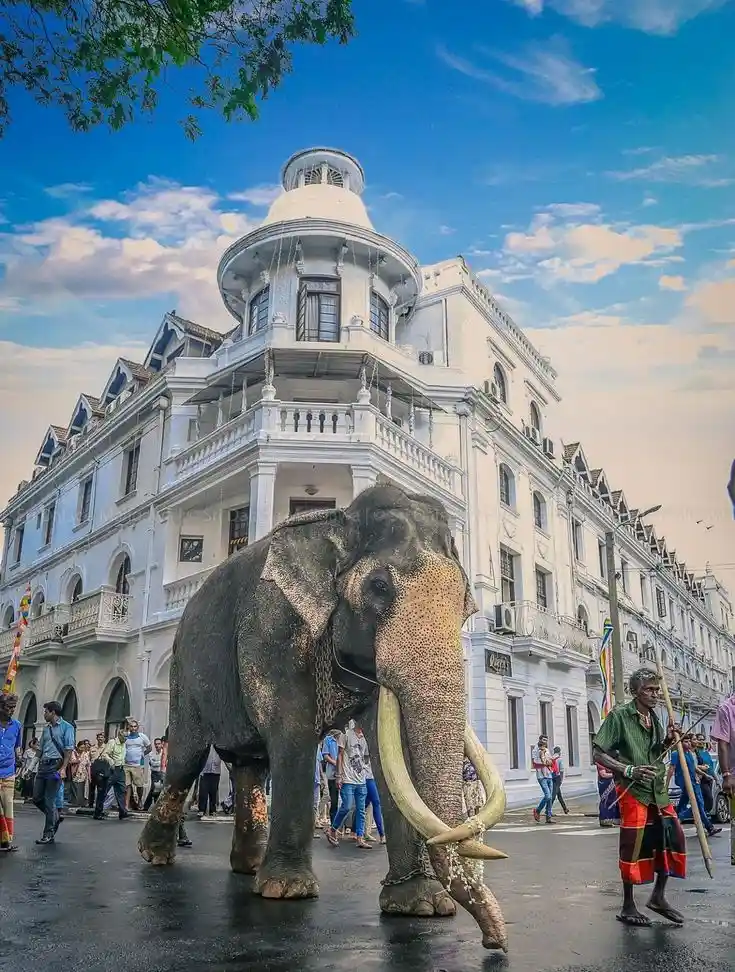
Harbor, temples, beaches, and marine excursions.
A seasonal coastal base, with sea conditions checked daily.
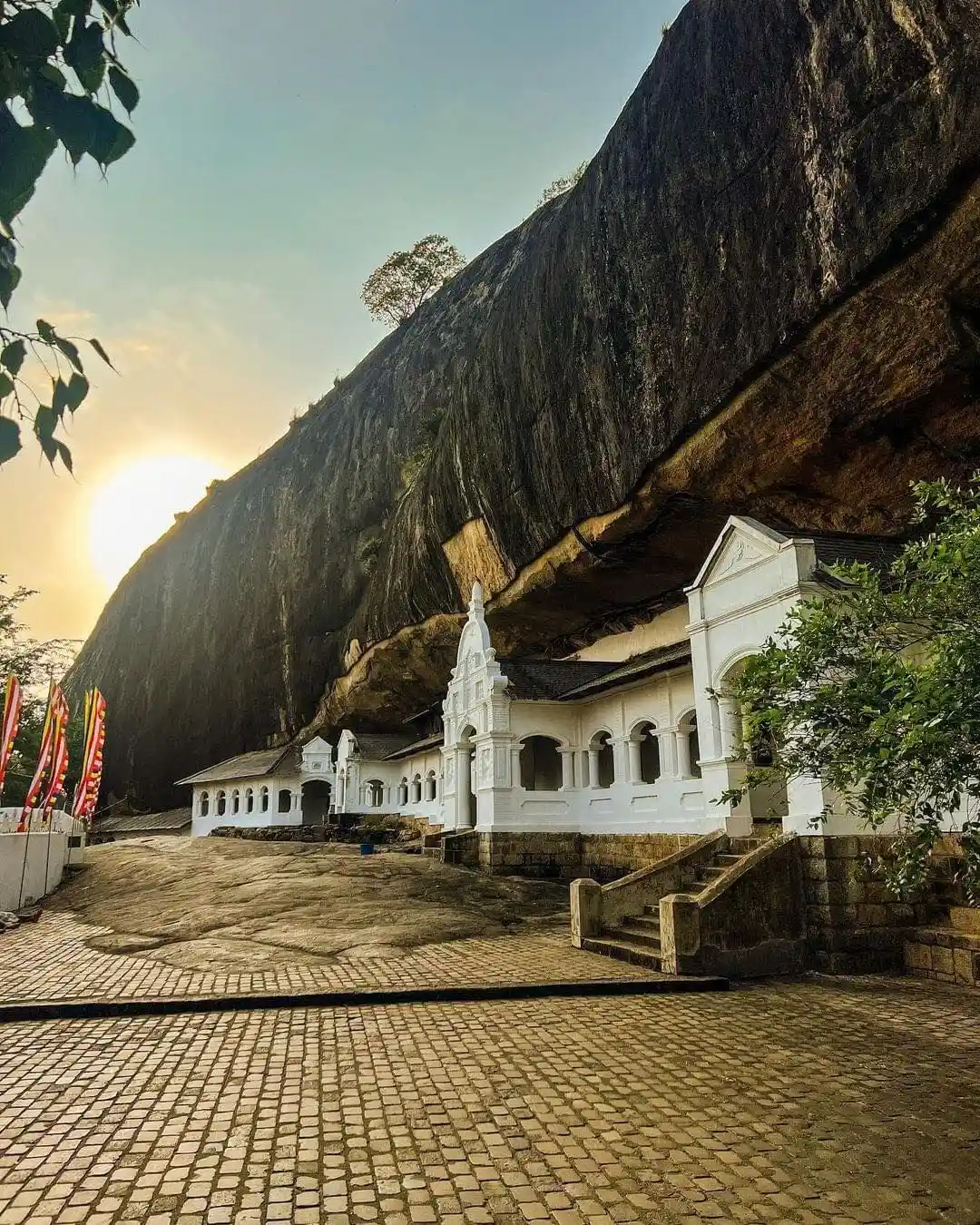
Cultural landmarks and access to central highland routes.
Monsoon rain may affect outdoor plans and travel times.
Wildlife is unpredictable. Keep a respectful distance, never feed or touch wild animals, and follow park rules and guidance from qualified local guides.
A major pilgrimage period for multiple faiths. Expect crowds, limited accommodation, and traffic changes.
Check official or local schedules; processions can change road access.
Monsoon rain and rough seas may limit swimming; check local beach conditions.
Expect southwest-monsoon showers and unsettled sea conditions.
Arugam Bay and Trincomalee are in a popular seasonal window for surf and beach stays.
Explore: Arugam Bay, Trincomalee
Rain and mist can affect trails and rail travel; check updates.
Explore: Kandy
Often comparatively dry but hot; plan outdoor visits for early morning.
Generally drier than the southwest, with heat and occasional showers possible.