Lowland daytime temperatures are commonly around 26–32°C; highland days are cooler, often around 12–22°C.
Loading seasonal guide…

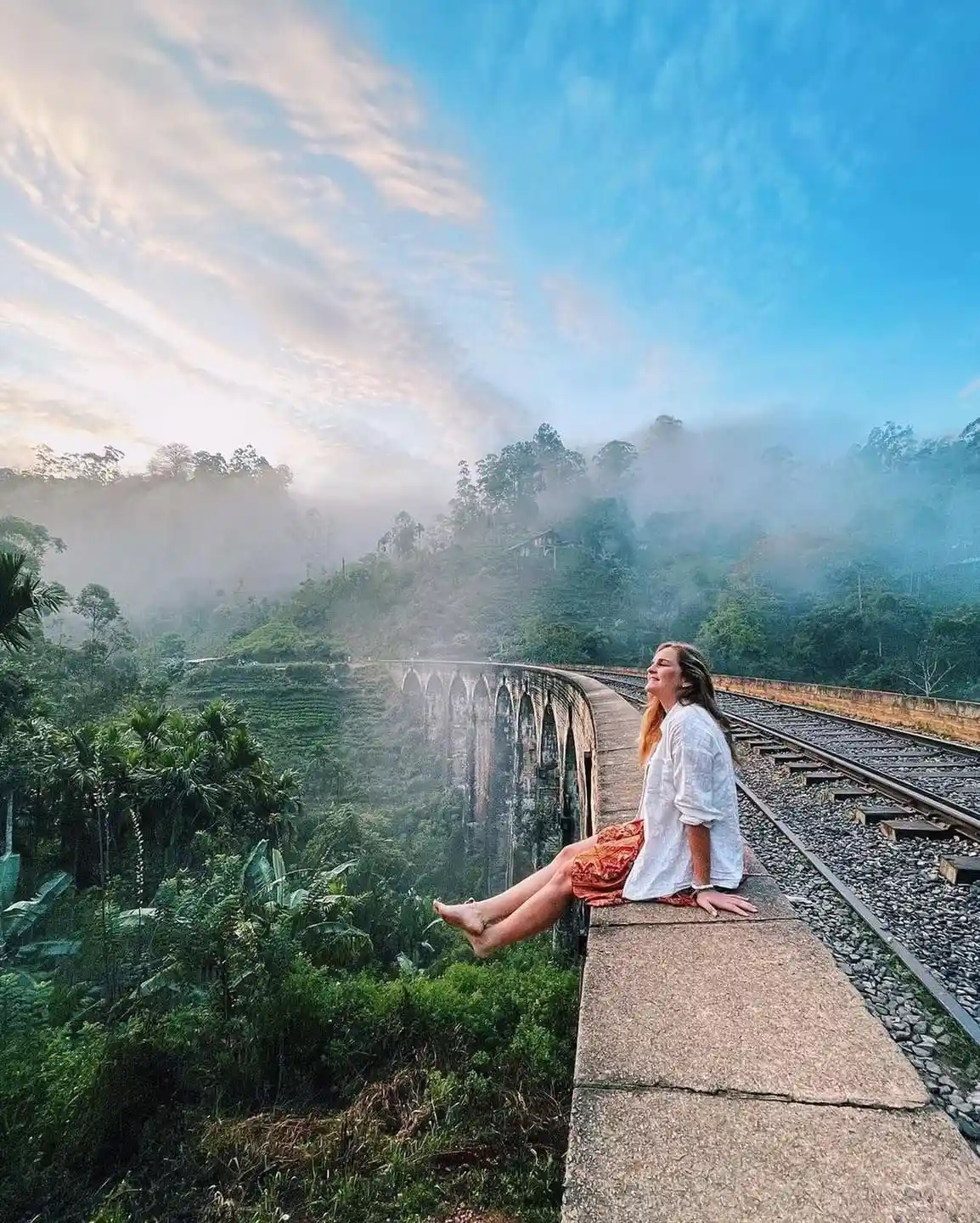
October is a transitional month with changing inter-monsoon weather, lush landscapes, and cultural experiences such as Deepavali when it falls during the month. Build flexibility into outdoor plans and enjoy the island’s heritage and hill-country scenery between showers.
A regional guide to Sri Lanka in OctoberLowland daytime temperatures are commonly around 26–32°C; highland days are cooler, often around 12–22°C.
The second inter-monsoon commonly brings showers and thunderstorms across many regions; rainfall can be locally heavy and unpredictable.
Humidity is high in lowlands, especially before storms. Highlands feel cooler but can be damp.
Sea conditions can be unsettled on more than one coast during the inter-monsoon; check warnings before swimming or boating.
Cloud and storms can interrupt outdoor plans. Keep flexible days and avoid exposed routes during lightning.
Inter-monsoon showers and changing seas; check beach safety before entering the water.
Frequent showers are possible; keep indoor Colombo options available.
The northeast monsoon approaches; rain and sea conditions may deteriorate.
Wet paths, mist, and rain can affect hikes and waterfalls; check access.
Thunderstorms may occur; schedule heritage visits early and avoid exposed areas in storms.
Northeast-monsoon conditions begin to build; monitor forecasts and road updates.
Temperature ranges are broad lowland and highland guides, not month-specific station averages or forecasts. Conditions vary between years and nearby locations; check the Sri Lanka Department of Meteorology and local safety advice before travel.
Rain can refresh forests and tea landscapes, while making trails slippery.
The Hindu festival of lights may fall in October or November; annual dates vary.
Museums, temples, and historic towns offer flexible options during wet spells.
Rain-fed falls can be impressive, but access and water levels may be unsafe.

Explore biodiversity with an experienced guide on permitted trails.
Why now: The wet inter-monsoon can make forests lush and active.
Visitor note: Check access, leeches, rain, and trail conditions; never enter closed or flooded routes.
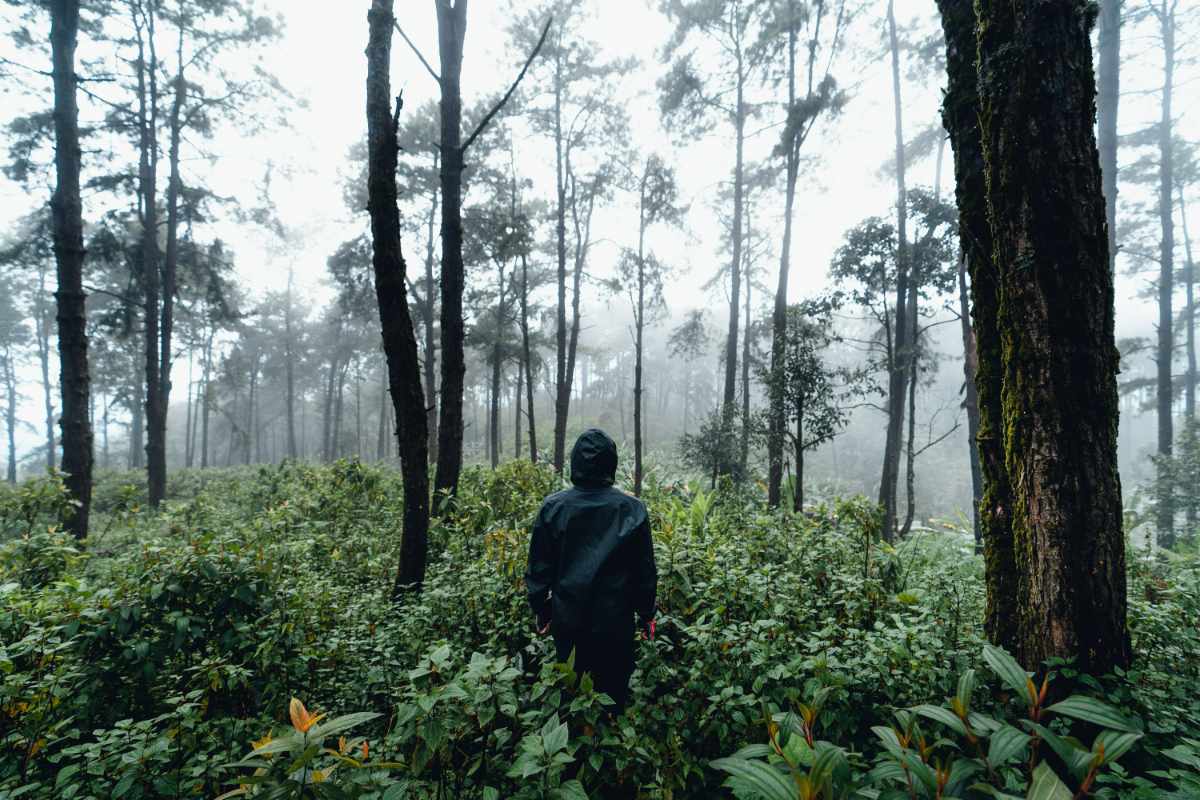
Learn about the festival of lights through local celebrations and temple visits.
Why now: Deepavali may fall in October or November depending on the lunar calendar.
Visitor note: Confirm dates locally, dress respectfully, and ask before photographing ceremonies.
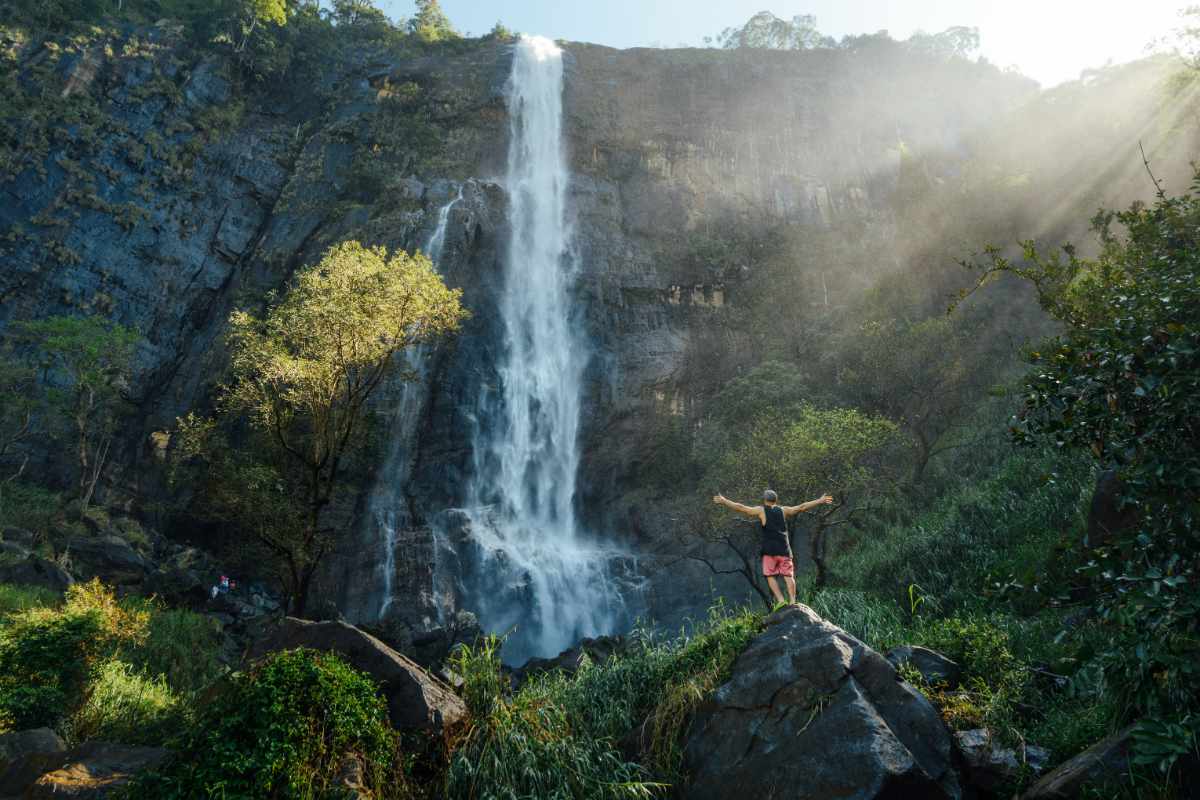
Visit cultural sites with indoor breaks and a weather-aware schedule.
Why now: A useful option when outdoor conditions change.
Visitor note: Check site access and travel advisories after heavy rain.
Temples, museums, and cultural landmarks.
Keep plans flexible for inter-monsoon rain.
Lowland rainforest and guided nature trails.
Wet conditions can make trails difficult; confirm access first.
Sacred and archaeological sites across an extensive area.
Check local rain and road updates; carry modest clothing.
Distinctive food, temples, and cultural heritage.
Northeast-monsoon rain may begin; verify forecasts.
Wildlife is unpredictable. Keep a respectful distance, never feed or touch wild animals, and follow park rules and guidance from qualified local guides.
The festival of lights is celebrated with lamps, prayers, and family gatherings. Ask before photographing religious observances.
Inter-monsoon showers and changing seas; check beach safety before entering the water.
Frequent showers are possible; keep indoor Colombo options available.
The northeast monsoon approaches; rain and sea conditions may deteriorate.
Wet paths, mist, and rain can affect hikes and waterfalls; check access.
Explore: Kandy
Thunderstorms may occur; schedule heritage visits early and avoid exposed areas in storms.
Northeast-monsoon conditions begin to build; monitor forecasts and road updates.
Explore: Jaffna