Lowland daytime temperatures are commonly around 26–32°C; highland days are cooler, often around 12–22°C.
Loading seasonal guide…


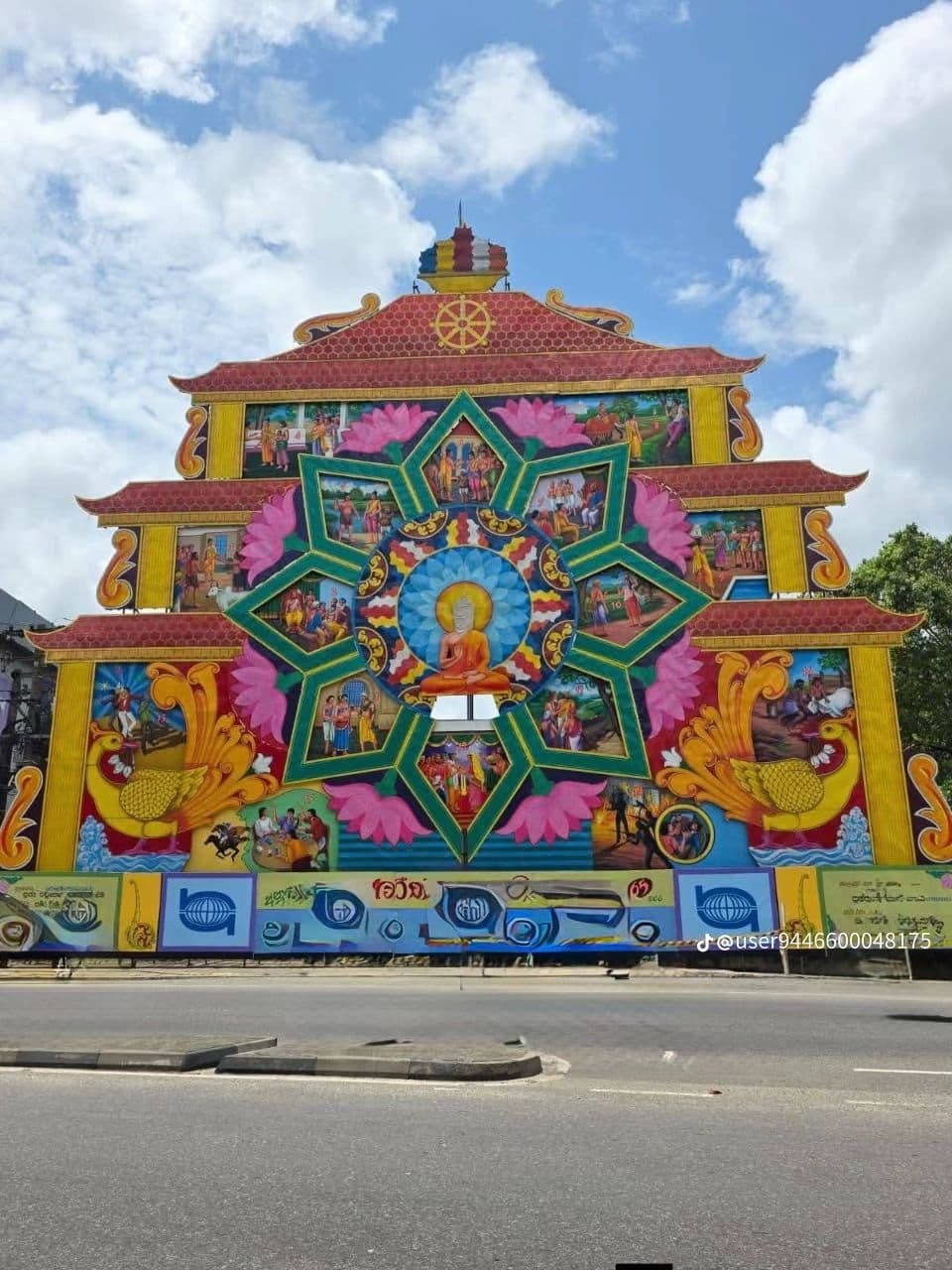
May’s Vesak season fills towns with lanterns, illuminated displays, and community Dansal. The southwest monsoon can bring rain to western and southern areas, so combine cultural visits with a flexible route and check conditions before heading outdoors.
A regional guide to Sri Lanka in MayLowland daytime temperatures are commonly around 26–32°C; highland days are cooler, often around 12–22°C.
The southwest monsoon typically begins affecting the south and west, bringing more frequent rain and rougher seas; the east often becomes the better beach option.
Humidity is high in coastal lowlands, especially before rain. Hill-country weather is cooler but can be wet.
Southwest-facing coasts can have rough surf and strong currents. East-coast conditions often improve, but check local advisories.
Cloud and showers are more common in the southwest. Plan indoor or flexible activities there and check forecasts daily.
Southwest-monsoon rain and rough seas become more likely; do not assume beaches are safe for swimming.
Rain and swell increase; prioritize city, museum, and indoor options when weather turns.
A seasonal window for Trincomalee and Pasikudah begins, subject to daily sea conditions.
Rain and mist may affect trails and transfers; check local access before hiking.
Often a practical inland option, with hot days and intermittent showers.
Conditions can be drier than the southwest; monitor heat and local forecasts.
Temperature ranges are broad lowland and highland guides, not month-specific station averages or forecasts. Conditions vary between years and nearby locations; check the Sri Lanka Department of Meteorology and local safety advice before travel.
Consider Trincomalee and Pasikudah while southwest coasts become wetter.
Lanterns and Dansal may appear around the full moon; dates vary by lunar calendar.
Rain refreshes vegetation, but can affect road and trail conditions.
Museums and Cultural Triangle sites offer alternatives to wet coastal days.
Explore coves, beaches, and coastal towns as the seasonal focus shifts east.
Why now: The east coast often enters its drier period as the southwest monsoon begins.
Visitor note: Check sea conditions, beach flags, and local operator advice before swimming or boating.

See public lantern displays and community offerings during Vesak.
Why now: Vesak falls on a lunar-calendar full moon, so dates change annually.
Visitor note: Expect crowds and road changes; dress respectfully and follow local guidance.
Explore sacred and archaeological sites with a guide and time for rest.
Why now: An inland cultural itinerary can suit days when southwest coastal weather is unsettled.
Visitor note: Carry water and modest clothing; check access and weather.
A harbor town with temples, beaches, and marine excursions.
East-coast conditions often improve as the southwest monsoon sets in.
A coastal area known for its bay and resort stays.
Check current sea conditions and local swimming guidance.
Sacred sites and extensive ancient-city remains.
Useful for a culture-focused inland visit; days can be hot.
Museums, temples, and city experiences for a flexible itinerary.
Vesak events may affect access and traffic; rain is more likely.
Wildlife is unpredictable. Keep a respectful distance, never feed or touch wild animals, and follow park rules and guidance from qualified local guides.
A major Buddhist observance commemorating key events in the Buddha's life. Public displays and Dansal are community-led; follow local customs.
Southwest-monsoon rain and rough seas become more likely; do not assume beaches are safe for swimming.
Rain and swell increase; prioritize city, museum, and indoor options when weather turns.
Explore: Colombo
A seasonal window for Trincomalee and Pasikudah begins, subject to daily sea conditions.
Explore: Trincomalee, Pasikudah
Rain and mist may affect trails and transfers; check local access before hiking.
Often a practical inland option, with hot days and intermittent showers.
Conditions can be drier than the southwest; monitor heat and local forecasts.