Lowland daytime temperatures are commonly around 26–32°C; highland days are cooler, often around 12–22°C.
Loading seasonal guide…


January is a popular time to explore Sri Lanka’s south and west coasts, with beach days, coastal towns, and seasonal whale-watching trips. Inland, cultural sites and the hill country make a rewarding contrast to the shore.
A regional guide to Sri Lanka in JanuaryLowland daytime temperatures are commonly around 26–32°C; highland days are cooler, often around 12–22°C.
The northeast monsoon can bring rain to the north and east; the south and west are generally in a drier travel period, though showers remain possible.
Coastal air is usually humid. Conditions feel cooler in the highlands, especially after sunset.
South and west coast conditions are often more favorable than during the monsoon, but currents and swell still vary by beach and day.
Days are warm and bright between showers. Plan outdoor visits for morning or late afternoon and check local forecasts.
Often a good time for Galle, Mirissa, and beach stays; check surf and swimming conditions locally.
Generally in its drier season, with Colombo and Negombo suited to city and coastal visits.
Northeast-monsoon showers and rougher seas are possible; keep beach and boat plans flexible.
Cooler air around Ella and Nuwara Eliya; carry a light layer for evenings and rain.
A useful month for early starts at heritage sites; midday sun can be strong.
Jaffna and the north may still receive northeast-monsoon rain; check current conditions.
Temperature ranges are broad lowland and highland guides, not month-specific station averages or forecasts. Conditions vary between years and nearby locations; check the Sri Lanka Department of Meteorology and local safety advice before travel.
Explore Galle and nearby beaches while the region enters its drier travel season.
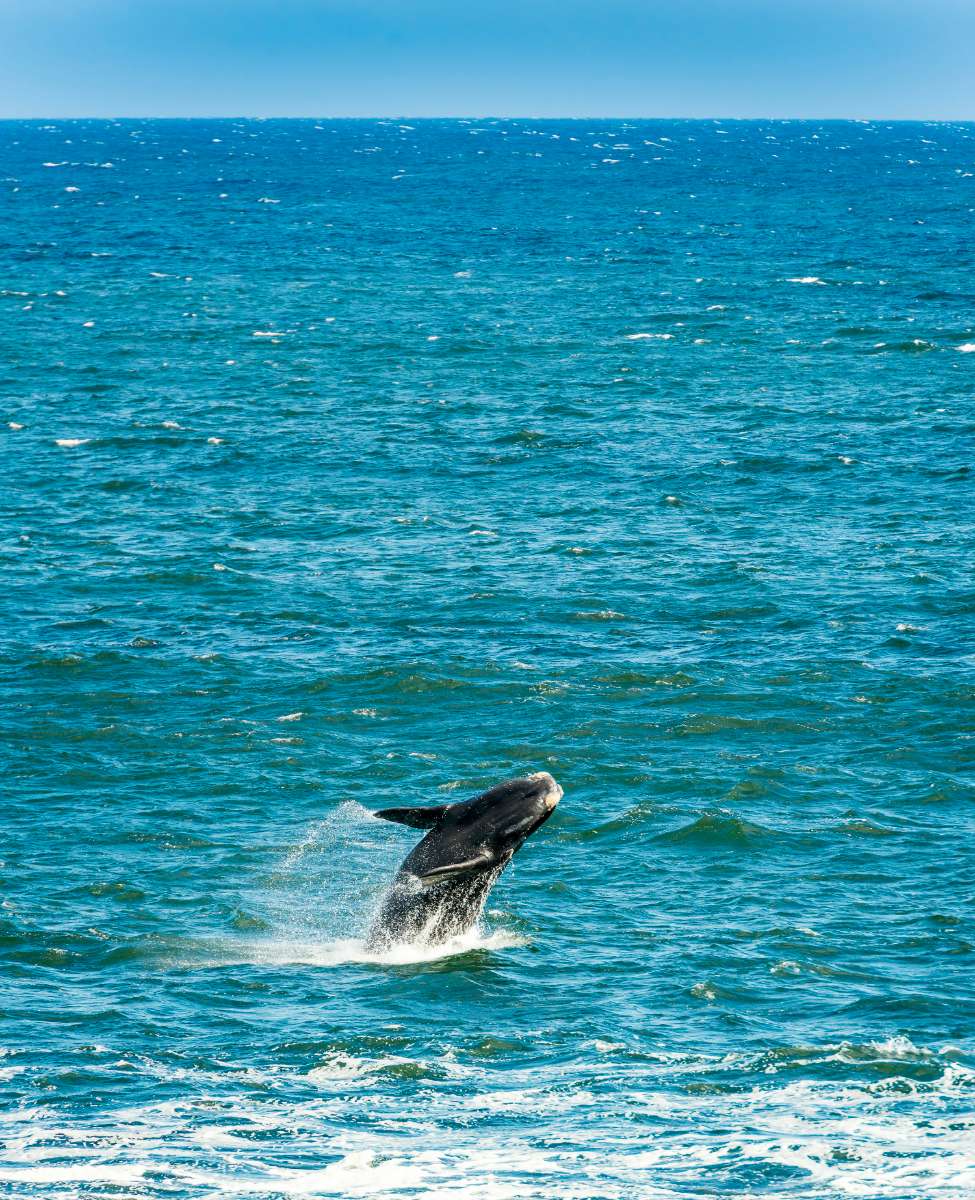
Mirissa operators run seasonal trips; wildlife sightings are never guaranteed.
A Buddhist procession associated with the January full moon; confirm the annual programme.
Pair the coast with tea-country walks and the scenic rail corridor.
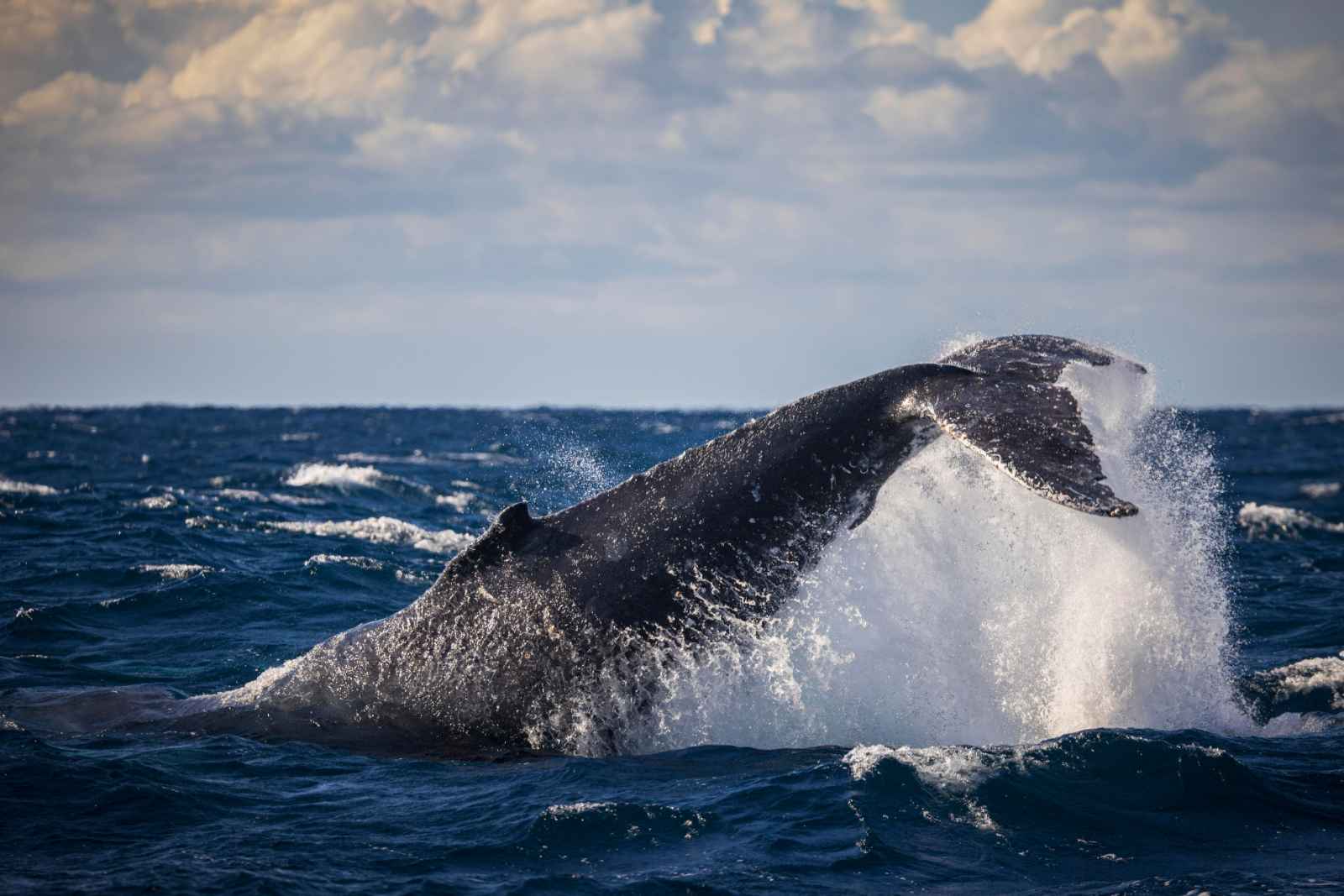
Join a locally operated boat trip to look for migrating cetaceans offshore.
Why now: The south coast is in its popular dry-season travel window.
Visitor note: Choose an operator that keeps distance, avoids chasing animals, and follows marine guidance; sightings are not assured.

Explore the historic fort, its lanes, ramparts, and coastal viewpoints.
Why now: Warm, relatively settled days can suit an outdoor walking visit.
Visitor note: Use sun protection and be cautious near exposed ramparts and rough water.
Travel through highland scenery, tea fields, and mountain towns by train.
Why now: A memorable inland contrast to the sunny southern coast.
Visitor note: Reserve seats through official channels and allow schedule flexibility.
Walk the historic streets and ramparts, with coastal views and museums.
A popular dry-season stop; visit early or late to avoid the strongest sun.
A coastal base for beach time and marine excursions.
Seasonal boat trips operate, but sea state and sightings vary.
Explore city neighborhoods, museums, temples, and waterfront areas.
The Duruthu procession may take place this month; confirm dates and access.
A base for highland walks, viewpoints, and tea-country journeys.
Cooler than the lowlands, with occasional rain still possible.
Wildlife is unpredictable. Keep a respectful distance, never feed or touch wild animals, and follow park rules and guidance from qualified local guides.
A Buddhist procession marking the traditional visit of the Buddha to Kelaniya. Expect crowds and local traffic changes.
Often a good time for Galle, Mirissa, and beach stays; check surf and swimming conditions locally.
Explore: Galle Fort, Mirissa
Generally in its drier season, with Colombo and Negombo suited to city and coastal visits.
Explore: Colombo
Northeast-monsoon showers and rougher seas are possible; keep beach and boat plans flexible.
Cooler air around Ella and Nuwara Eliya; carry a light layer for evenings and rain.
Explore: Ella
A useful month for early starts at heritage sites; midday sun can be strong.
Jaffna and the north may still receive northeast-monsoon rain; check current conditions.