Lowland daytime temperatures are commonly around 26–32°C; highland days are cooler, often around 11–21°C.
Loading seasonal guide…

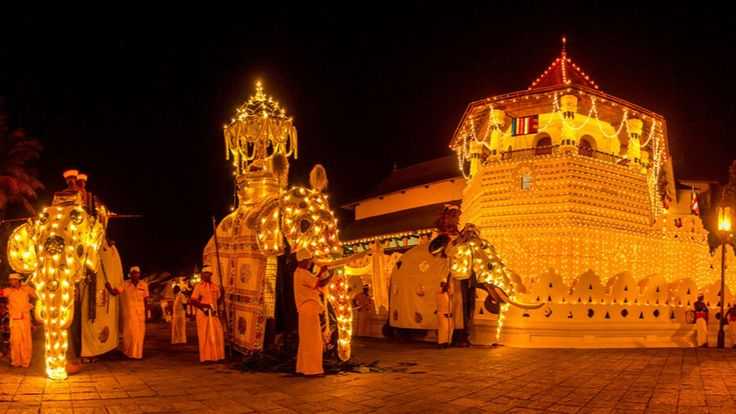
August is a highlight for cultural travel in Kandy, where Esala Perahera processions bring dancers, drummers, and pageantry to the streets. East-coast beaches and wildlife excursions can round out a varied itinerary.
A regional guide to Sri Lanka in AugustLowland daytime temperatures are commonly around 26–32°C; highland days are cooler, often around 11–21°C.
Southwest-monsoon influence remains in the south and west; the east is usually in its drier season.
Coastal humidity is high; rain and cloud are more common in the southwest than the east.
East-coast beaches are a seasonal option. Southwest seas can remain rough; check local swimming notices.
Bright east-coast days contrast with cloudier southwest weather. Heat is strongest around midday.
Southwest monsoon continues; confirm safe swimming and road conditions.
Rain and swell remain possible; Colombo offers indoor and cultural alternatives.
Pasikudah and Trincomalee are popular for seasonal coastal stays.
Showers and mist can affect viewpoints and hikes; check trail access.
Often drier than the southwest but hot; schedule early site visits.
Typically a drier travel period than the southwest; prepare for heat.
Temperature ranges are broad lowland and highland guides, not month-specific station averages or forecasts. Conditions vary between years and nearby locations; check the Sri Lanka Department of Meteorology and local safety advice before travel.
A major procession period; dates and schedules are announced annually.
Plan a coastal stay around Trincomalee or Pasikudah, checking daily conditions.
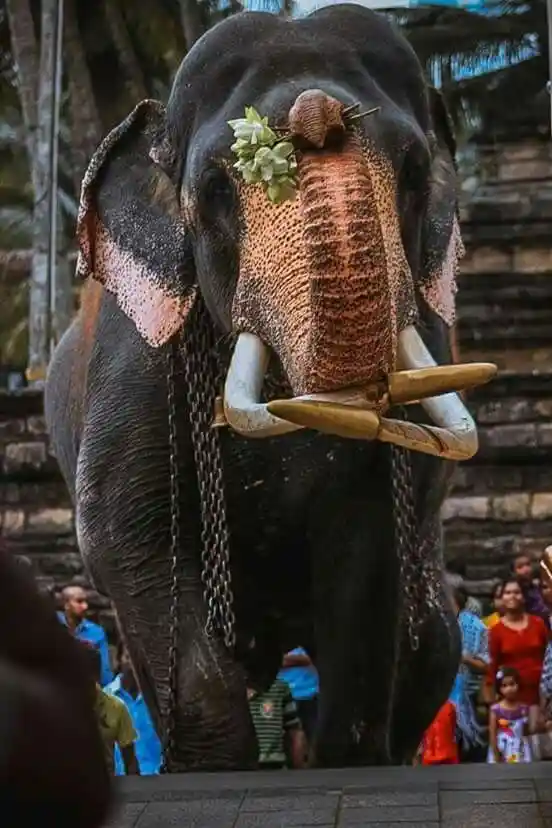
Guided visits around Minneriya-area parks may offer elephant encounters; sightings vary.
Build a route around the drier east and cultural interior rather than assuming island-wide weather.
Observe a series of processions featuring traditional arts and religious observances.
Why now: The festival is usually held in July or August; exact dates vary.
Visitor note: Arrange transport and viewing plans early; expect crowds, road closures, and restricted access.
Spend time by the bay and explore the east coast at a relaxed pace.
Why now: The east coast is in a popular drier-season window.
Visitor note: Check beach flags and local advice; shallow-looking water does not ensure safe conditions.
Learn about elephants and dry-zone habitat with a licensed guide.
Why now: Seasonal animal movement may make the region appealing, but varies year to year.
Visitor note: No sightings are guaranteed; keep distance and avoid crowding animals.
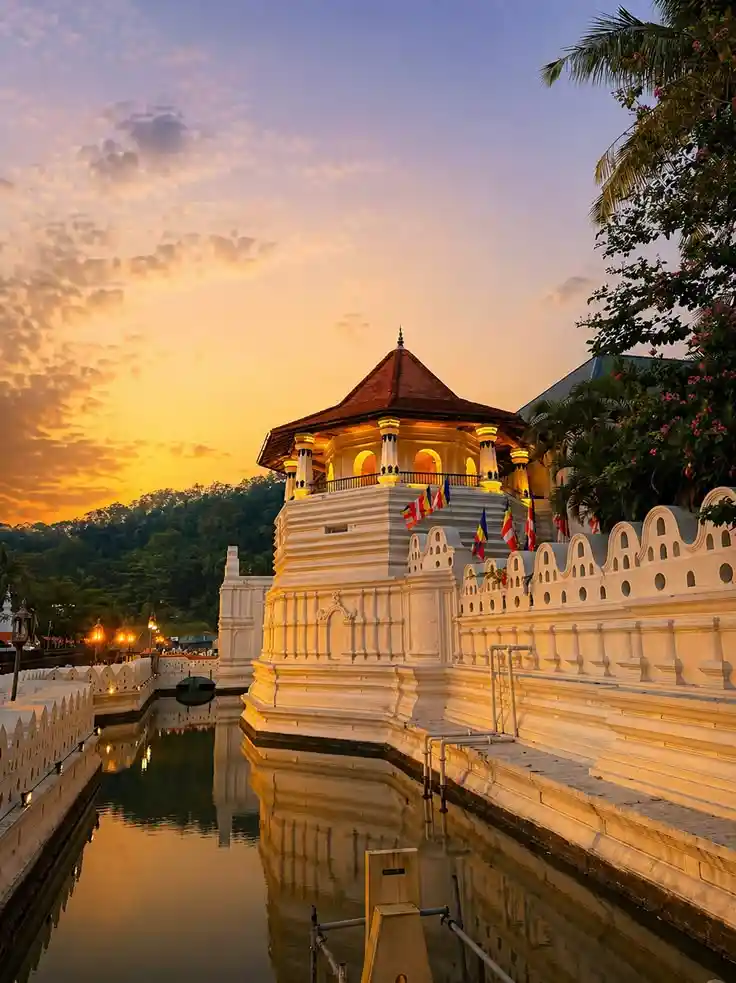
The Temple of the Tooth, museums, and cultural experiences.
Perahera draws large crowds; confirm annual dates and road access.
A bay and resort area for coastal stays.
East-coast season is active; follow beach safety notices.
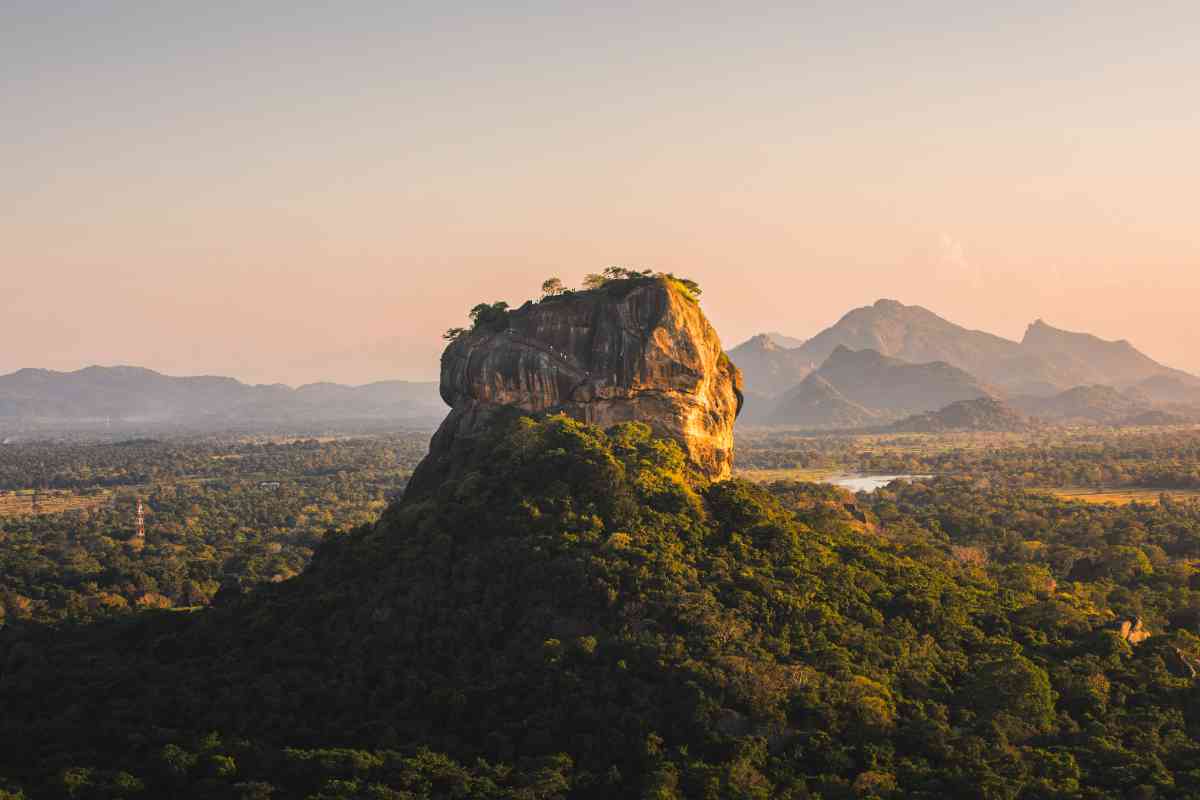
Dry-zone parks and nearby heritage towns.
Park selection and elephant movement vary; follow local guide advice.
Harbor, temples, beaches, and boat excursions.
A strong seasonal coast option, subject to daily sea conditions.
Wildlife is unpredictable. Keep a respectful distance, never feed or touch wild animals, and follow park rules and guidance from qualified local guides.
A major Buddhist festival associated with the Sacred Tooth Relic. Crowds and road closures are significant; check current arrangements.
Southwest monsoon continues; confirm safe swimming and road conditions.
Rain and swell remain possible; Colombo offers indoor and cultural alternatives.
Pasikudah and Trincomalee are popular for seasonal coastal stays.
Explore: Pasikudah, Trincomalee
Showers and mist can affect viewpoints and hikes; check trail access.
Explore: Kandy
Often drier than the southwest but hot; schedule early site visits.
Explore: Minneriya area
Typically a drier travel period than the southwest; prepare for heat.