Lowland daytime temperatures are commonly around 27–33°C; highland days are cooler, often around 12–23°C.
Loading seasonal guide…


March is a flexible month for combining the Cultural Triangle, wildlife parks, hill-country scenery, and coastal breaks. Conditions vary by region, so shape your route around the activities and coast you want to prioritize.
A regional guide to Sri Lanka in MarchLowland daytime temperatures are commonly around 27–33°C; highland days are cooler, often around 12–23°C.
An inter-monsoon transition can bring afternoon thunderstorms in many areas. Regional showers are variable rather than uniform.
Warm, humid lowland conditions are common, with fresher air at elevation.
Conditions can change between coasts and days; verify local forecasts before swimming, diving, or boat trips.
Hot sun between showers; schedule exposed walks early and leave room for afternoon weather changes.
Often still suitable for coastal travel, but rising showers and sea changes are possible.
Warm city and beach conditions; afternoon thunderstorms can develop during the transition.
Northeast-monsoon influence usually recedes, but seas and local weather remain variable.
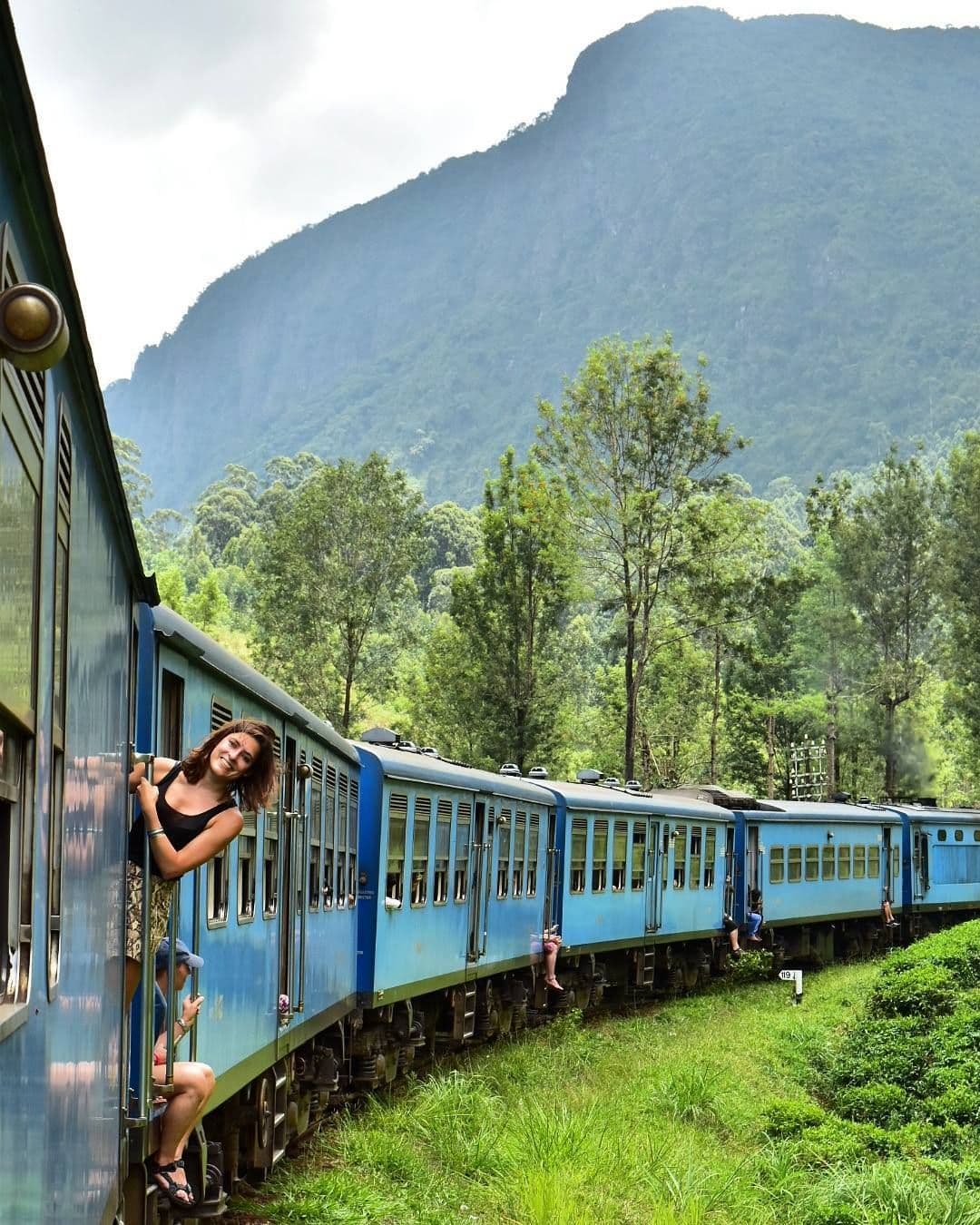
Good scenery for rail journeys and walks, with mist or showers possible.
Hot daytime visits call for early starts, hydration, and shaded breaks.
Generally moving toward drier conditions; check local forecasts and heat advisories.
Temperature ranges are broad lowland and highland guides, not month-specific station averages or forecasts. Conditions vary between years and nearby locations; check the Sri Lanka Department of Meteorology and local safety advice before travel.
Watch for changing skies and short, localized showers across the island.
Travel through tea country with flexible plans for possible mist or delays.
Visit ancient sites early, before the strongest heat.
Snorkeling and diving may be available where local operators confirm suitable conditions.
Explore archaeological landscapes before the midday heat.
Why now: A practical choice during warm inter-monsoon days.
Visitor note: Wear suitable footwear, carry water, and follow site conservation rules.

Connect hill towns and tea landscapes by rail, with optional short walks.
Why now: The central highlands offer a cooler alternative to lowland afternoons.
Visitor note: Reserve seats early and allow schedule flexibility for weather-related delays.
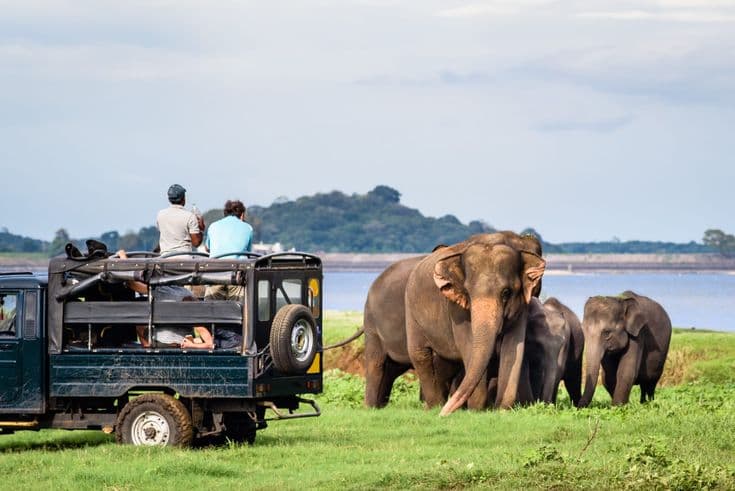
Learn about park habitats and wildlife with an experienced guide.
Why now: Dry-season conditions can concentrate animals, but locations change.
Visitor note: No sighting is guaranteed; keep distance and follow park rules.
An iconic rock fortress and surrounding archaeological landscape.
Start early to avoid heat; check for showers.
Highland viewpoints, tea landscapes, and walking routes.
Weather can shift quickly; check trail access.
A base for guided wildlife experiences in protected areas.
Choose parks based on current conditions and official guidance.
A varied stretch of beaches, fishing towns, and heritage.
Check sea conditions before water activities.
Wildlife is unpredictable. Keep a respectful distance, never feed or touch wild animals, and follow park rules and guidance from qualified local guides.
A major Hindu observance. Check temple schedules and observe visitor etiquette.
Often still suitable for coastal travel, but rising showers and sea changes are possible.
Explore: South-coast towns
Warm city and beach conditions; afternoon thunderstorms can develop during the transition.
Northeast-monsoon influence usually recedes, but seas and local weather remain variable.
Good scenery for rail journeys and walks, with mist or showers possible.
Explore: Ella
Hot daytime visits call for early starts, hydration, and shaded breaks.
Explore: Sigiriya
Generally moving toward drier conditions; check local forecasts and heat advisories.