1. One island, two monsoons
Sri Lanka sits in the Indian Ocean tropics, but its weather changes considerably from coast to coast. The southwest monsoon generally brings rain to the south and west and the central highlands around May through September. The northeast monsoon more often affects the north and east around December through February.
Between these periods, inter-monsoon weather can bring showers or thunderstorms to several parts of the island. Start with the places you most want to see, then build your route around current regional conditions rather than relying on one national forecast.
2. Choosing between the south-west and east coasts
For many trips, the south and west coasts are most popular during the northern-hemisphere winter, when beach towns such as Galle, Mirissa, and Bentota often have a drier seasonal window. From about May onward, the east coast around Trincomalee, Pasikudah, and Arugam Bay often becomes a more practical coastal base.
These are seasonal tendencies, not a promise of calm water. Surf, currents, rainfall, and swimming safety can vary by beach and day. Look for local beach flags and ask trusted local operators before entering the water or booking a boat trip.
3. The highlands and Cultural Triangle
The central highlands are cooler than the lowlands, and rain or mist can appear even when the coast is bright. Tea estates, hill towns, and scenic rail routes reward a slower pace; leave room for cloud, showers, or train delays when planning a hike or viewpoint.
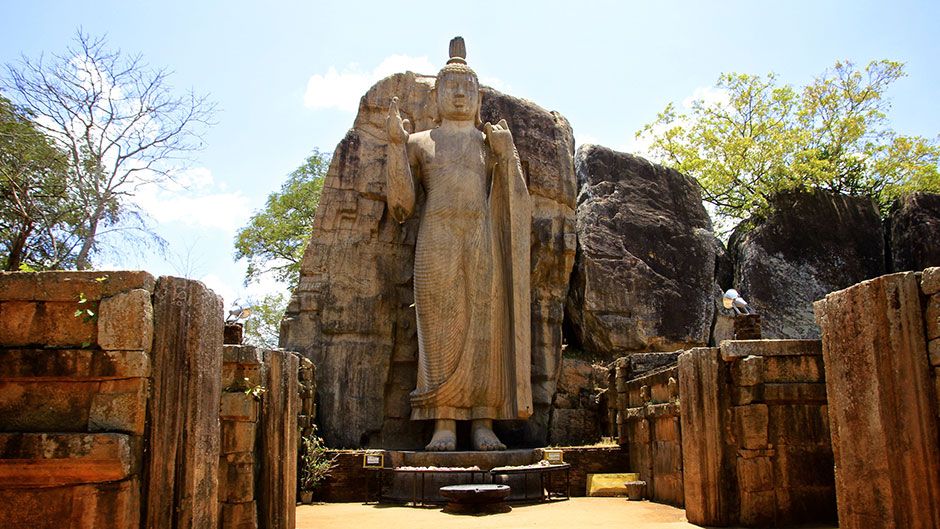
The Cultural Triangle—often used to describe the heritage sites around Anuradhapura, Polonnaruwa, and Sigiriya—is generally hot and exposed. Early starts, drinking water, sun protection, and respectful clothing for sacred places make long site visits more comfortable.
4. Festivals and wildlife have their own calendars
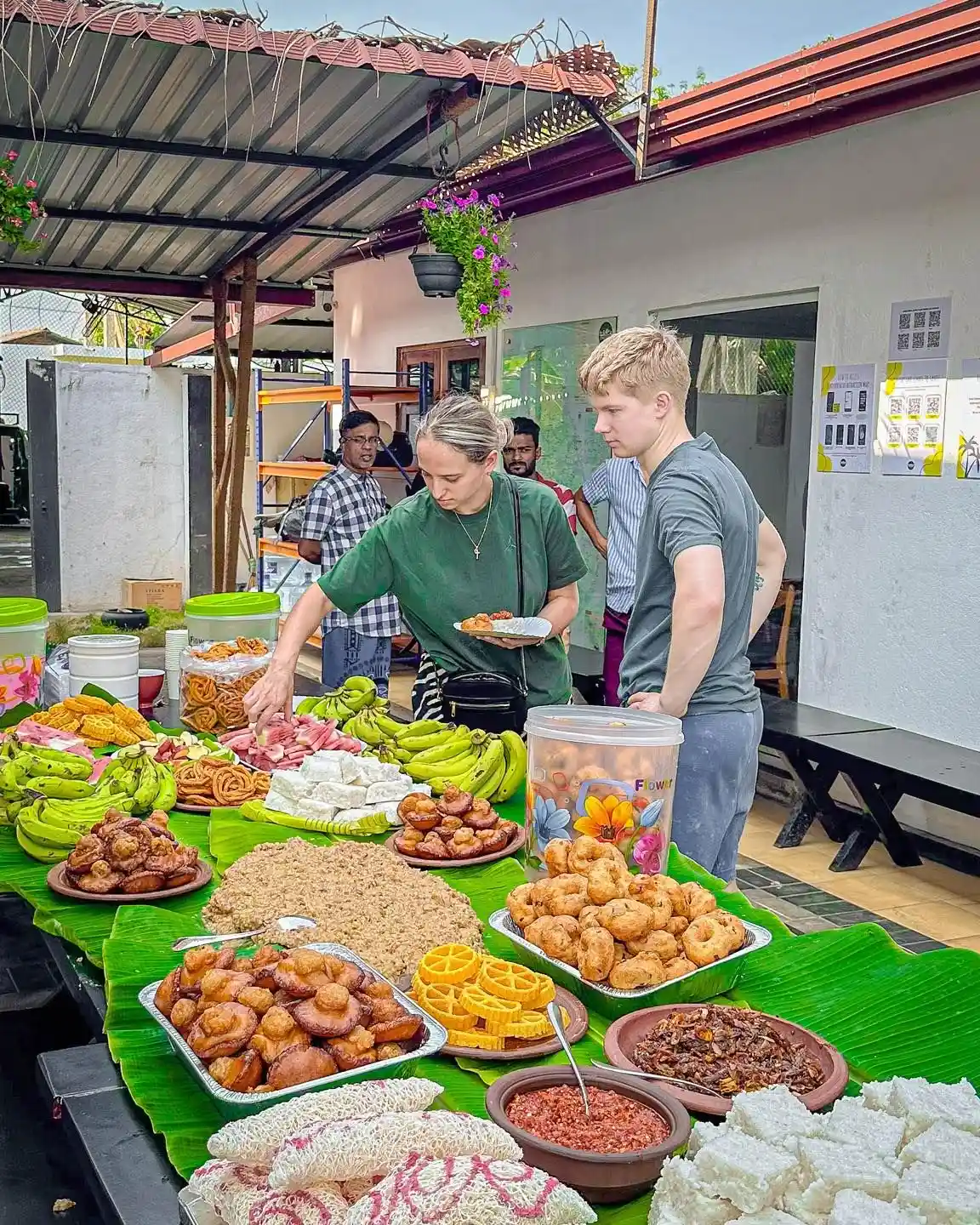
New Year celebrations, Poya days, Perahera processions, and Hindu festivals add cultural depth to a visit, but many religious dates follow lunar calendars. Check the programme for your travel year and expect crowds, transport changes, or altered business hours around major events.
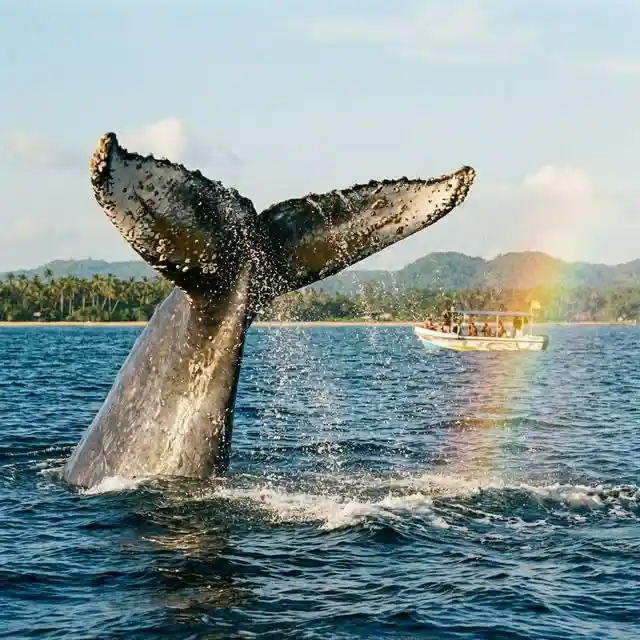
Wildlife viewing is equally seasonal but never guaranteed. Elephant movement, whale sightings, and bird activity depend on changing conditions. Choose responsible guides, follow park rules, and treat distance and animal welfare as more important than a close photograph.
5. Build a route that can adapt
Rather than trying to cross the island every few days, choose a few regions that fit the season. A south-coast and hill-country combination can work well during the drier months there; an east-coast and Cultural Triangle route can make more sense during the southwest monsoon.
Before travel, check the Sri Lanka Department of Meteorology, local sea conditions, transport notices, and official park updates. A flexible day or two helps when weather, road conditions, or a festival changes your plans.