
1. Let wildlife set the terms
Elephants, leopards, whales, dolphins, and birds move according to food, weather, habitat, and disturbance. A park or season can improve the chance of an encounter without guaranteeing one.
A quiet drive that respects the animal can be more valuable than a dramatic sighting surrounded by vehicles. Avoid operators who promise a particular animal or encourage crowding.
2. Choose a responsible safari
Check that the park is officially open and use a guide who follows park rules. Ask how they handle distance, speed, noise, and the number of vehicles around an animal.
Stay inside the vehicle where required, do not feed wildlife, and never ask a driver to block an animal's path. Follow instructions from park staff and guides.
3. Watch marine wildlife with care
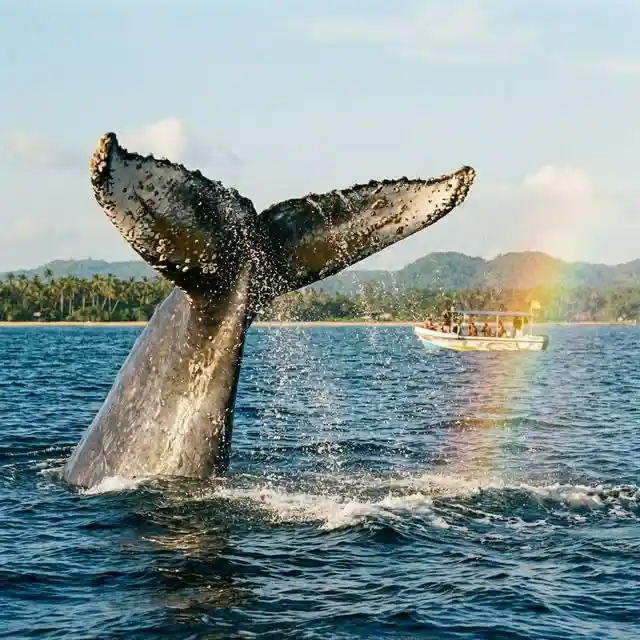
Whale- and dolphin-watching trips operate from several coastal areas at different times of year. Sea conditions, animal movement, and visibility change; operators should be clear that sightings cannot be promised.
Prefer boats that maintain distance, avoid chasing or surrounding animals, and make safety decisions based on the sea. If conditions are rough, postponing is the responsible choice.
4. Avoid harmful animal attractions
Be cautious of attractions that allow touching, riding, bathing, or posing with wild animals. Captive wildlife experiences can hide welfare concerns behind close access.
Support protected areas, ethical rehabilitation where its purpose and oversight are transparent, and community initiatives that benefit habitats and people.
5. Leave the habitat as you found it
Keep voices low, take all rubbish away, and do not use flash when it could disturb wildlife. Stay on designated tracks and respect seasonal closures.
A guide's local knowledge helps travelers notice smaller details—tracks, calls, and habitat—without pushing for a close encounter. Patience is part of the experience.