
1. Start with the season
The south and west coasts are often more settled from roughly December to March. The east coast tends to be a better seasonal choice during much of May to September, when the southwest monsoon affects the other side of the island.
These windows overlap with changing weather and are not guarantees. Local forecasts and beach safety notices matter more than a calendar when you decide where to swim or surf.
2. What the south coast feels like
Galle, Unawatuna, Weligama, and Mirissa offer a mix of historic streets, surf breaks, small bays, and coastal cafés. Distances look short on a map, but traffic and local roads can make transfers slower than expected.
Some bays have gentler water than exposed stretches, but conditions change. Ask locally about currents, flags, and the safest access point before entering the sea.
3. What the east coast feels like
Trincomalee combines a working harbor, temples, and beaches, while Pasikudah is known for a broad bay and Arugam Bay attracts surfers. The coast is more spread out, so allow time for road transfers and choose a base that matches your plans.
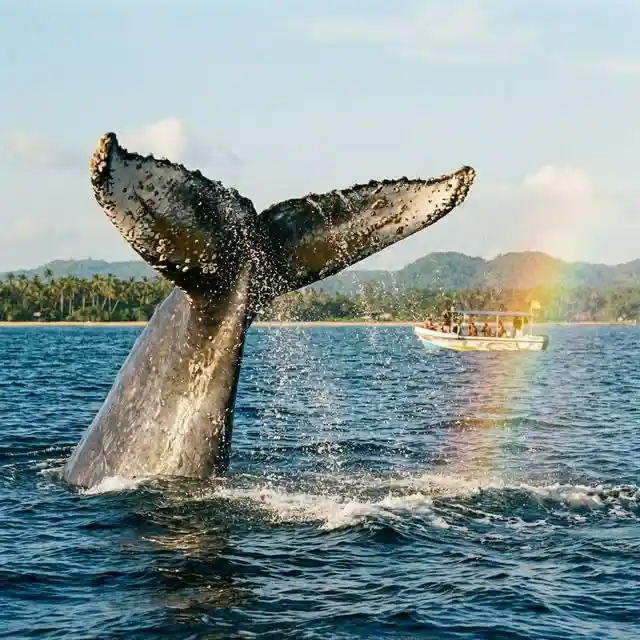
Marine trips and surf sessions depend on daily weather and operator assessments. Check conditions on the day, use experienced guides, and do not enter water that is flagged as unsafe.
4. Match the coast to your travel style
Choose the south for a compact mix of heritage, cafés, surf lessons, and beach towns. Choose the east if your dates align with its seasonal window and you want to focus on Trincomalee, Pasikudah, or Arugam Bay.
If your trip crosses the seasonal transition, combine coast and inland regions only when you have enough time. Frequent long transfers can take away from the slower beach days you came for.
5. A safer day by the sea
Read beach flags, follow lifeguard instructions, and ask accommodation staff about local conditions. Strong currents can be hard to see, and calm water at one bay does not predict conditions at another.
For boat trips, choose an operator that explains safety equipment, weather decisions, and responsible wildlife viewing. Be willing to postpone if the sea is rough.